What Businesses Should Know About Commercial Gas Piping Systems
Businesses seeking commercial gas piping installation can rely on local contractors to ensure safe, code-compliant systems that support efficient operation and compliance.
Understanding what businesses should know about commercial gas piping systems is essential for property owners looking to ensure safe and efficient operations. Whether expanding a commercial kitchen, upgrading existing facilities, or installing new equipment that relies on natural gas, having a clear grasp of how these systems work can help prevent costly disruptions and safety concerns. Local contractors who specialize in commercial gas piping installation can provide valuable insights, ensuring that systems are designed and installed to meet the specific needs of the business while adhering to all relevant standards and best practices.
For property owners in the area, exploring this topic can lead to smarter decisions about system upgrades, maintenance, and compliance. Proper installation and ongoing support from experienced service providers help keep operations running smoothly and safely. As businesses grow or modify their facilities, working with local experts ensures that commercial gas piping systems are handled with precision, reducing risks and supporting long-term functionality. Keeping informed about these systems empowers owners to make informed choices and connect with the right professionals for their specific needs.
- Commercial kitchen setups - businesses preparing to install or upgrade gas lines for cooking appliances can rely on local contractors to ensure proper piping layouts and safety compliance. Manufacturing facilities - companies needing reliable gas piping systems for industrial processes often seek experienced service providers to handle complex installations. Retail food establishments - stores and cafes requiring new or expanded gas piping for heating or cooking equipment can connect with local pros for efficient setup. Office buildings with on-site cafeterias - organizations planning to add gas-powered kitchen appliances benefit from professional installation of commercial gas piping systems. Hospitality venues - hotels and event spaces installing or maintaining gas lines for large-scale cooking needs can find local contractors to manage the work safely and effectively.
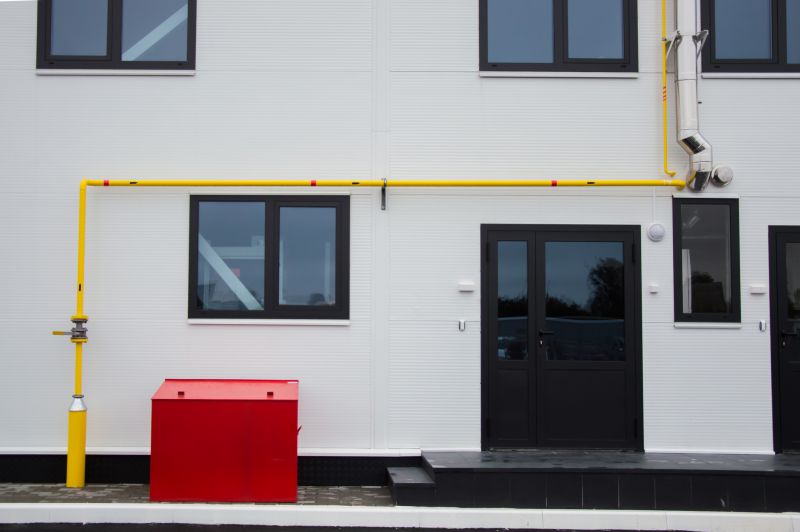
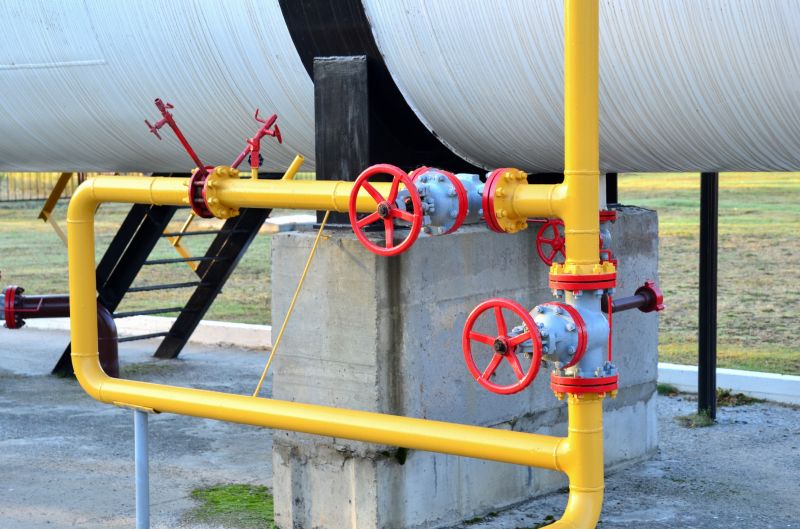
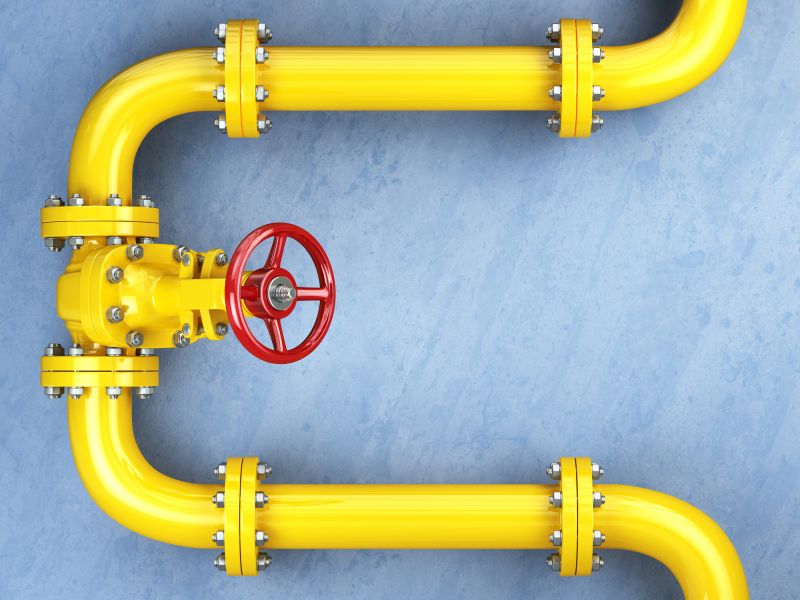
Understanding what businesses should know about commercial gas piping systems is essential for property owners planning new installations, upgrades, or repairs. These systems are responsible for delivering natural gas or propane to various appliances and equipment used in commercial settings. When searching for information on this topic, many people are often trying to grasp the basics of how these systems operate, what safety considerations are involved, and what factors influence proper installation and maintenance. Recognizing the importance of a reliable and efficient gas piping network helps businesses avoid disruptions and ensure compliance with safety standards, making it a key aspect of managing commercial property infrastructure.
Commercial gas piping systems are closely linked to a range of property types, including retail stores, restaurants, industrial facilities, and office buildings. These properties typically depend heavily on gas for heating, cooking, manufacturing processes, or specialized equipment. Problems that may arise include leaks, corrosion, or outdated piping that no longer meets safety or operational standards. Planning for upgrades or repairs often involves assessing the existing system’s condition, designing new piping layouts, or expanding capacity to support increased demand. For property owners, working with experienced local contractors ensures that these tasks are handled safely and efficiently, reducing the risk of costly downtime or hazards.
Many projects related to commercial gas piping systems involve both new installations and ongoing maintenance. Businesses might need to install a new system when constructing a building, or they could require modifications to accommodate new equipment or changes in usage. Troubleshooting existing issues, such as gas leaks or pressure problems, is also common. Local service providers who specialize in commercial gas piping can evaluate the property’s needs, recommend appropriate solutions, and perform the necessary work to ensure the system functions properly. These professionals understand the complexities of commercial piping layouts and safety requirements, making them valuable partners in managing the infrastructure that keeps a business operational.
For property owners, understanding the scope of commercial gas piping systems helps in planning and decision-making. It’s important to recognize that these systems are integral to many types of properties where gas is used for essential functions. Engaging experienced local contractors ensures that installations, repairs, and upgrades are completed safely and in accordance with relevant standards. Whether managing a new construction project or maintaining an existing system, knowing what to expect from commercial gas piping services helps property owners make informed choices. Connecting with local experts provides peace of mind that the system supporting their business is reliable, safe, and compliant with applicable requirements.
Commercial kitchen plumbing projects - These projects require precise installation of gas piping systems to ensure safe operation of appliances, making them similar in planning and skill to commercial gas piping installation services.
Industrial boiler and furnace setups - Installing gas lines for large-scale heating equipment involves complex piping and safety considerations akin to those in commercial gas piping systems.
Restaurant build-outs - Setting up new restaurant spaces often includes installing gas piping for cooking equipment, requiring expertise in planning and executing gas system installations.
HVAC system installations - Some HVAC systems depend on natural gas, which involves integrating gas piping with existing infrastructure, similar to commercial gas piping projects.
Fire suppression and safety systems - Certain systems utilize gas piping for fire suppression, demanding careful planning and installation skills comparable to commercial gas piping services.
Utility infrastructure upgrades - Upgrading or expanding gas supply lines for businesses involves similar skills in planning, safety, and piping installation as commercial gas piping systems.
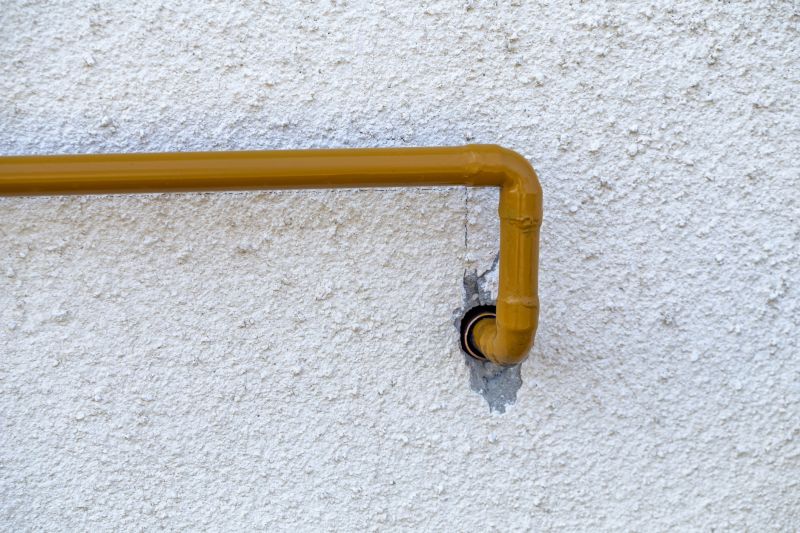
When evaluating service providers for commercial gas piping installation, it is important to consider their experience with similar projects. Contractors who have a proven track record working on commercial gas piping systems are more likely to understand the specific requirements and challenges associated with such installations. Homeowners should inquire about the types of commercial properties or systems they have handled previously, ensuring that the contractor’s background aligns with the scope of the project. This familiarity can help reduce potential issues and ensure the system is installed correctly, adhering to applicable standards and best practices.
Clear and detailed written expectations are essential when comparing local contractors for commercial gas piping services. A reputable service provider should be able to provide a comprehensive outline of the work scope, materials to be used, and the steps involved in the installation process. Having this information in writing helps prevent misunderstandings and ensures that both parties are aligned on project goals. Homeowners are encouraged to ask for detailed proposals or estimates that specify the work involved, which can serve as a useful reference throughout the project and aid in making an informed decision.
Reputable references and effective communication are key factors when selecting a local contractor for commercial gas piping systems. Contractors who can provide references from previous clients demonstrate transparency and confidence in their work. Additionally, good communication throughout the project helps address questions or concerns promptly, reducing the likelihood of miscommunication or delays. Homeowners should prioritize service providers who are approachable, responsive, and proactive in sharing information, as these qualities contribute to a smoother installation process and greater confidence in the chosen contractor’s capabilities.
Property owners often search for what businesses should know about commercial gas piping systems when they are planning practical projects around their homes and businesses. Local pros provide Commercial Gas Piping Installation services for everyday jobs and straightforward project options.
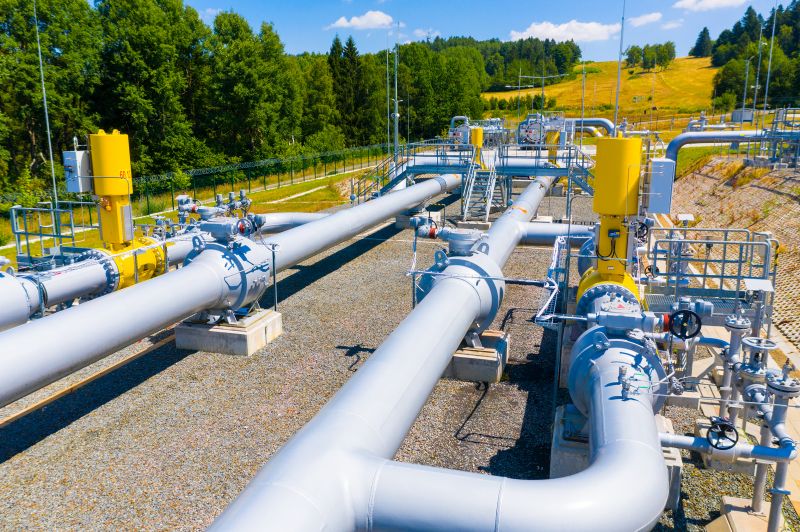
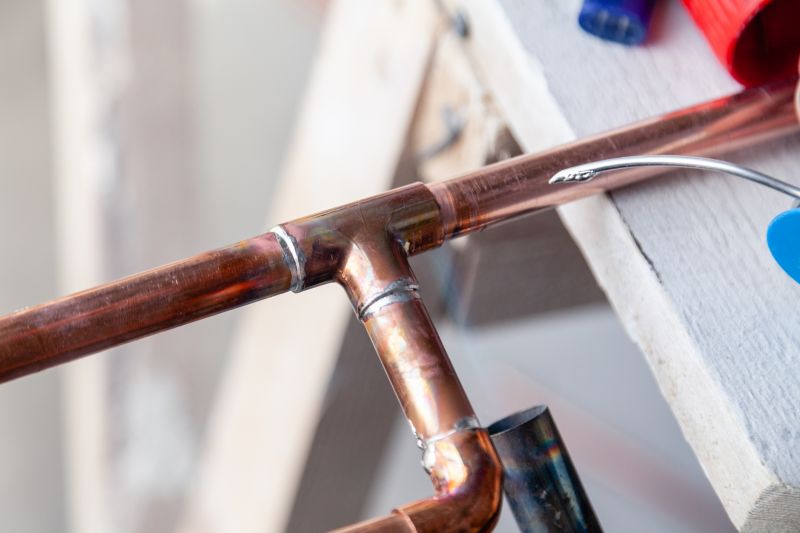
Understanding the essentials of commercial gas piping systems is important for property owners managing business spaces that rely on gas for heating, cooking, or other operational needs. Everyday project situations, such as upgrading an existing system or installing new piping for a commercial kitchen or manufacturing process, require careful planning and execution. Many property owners find themselves seeking the expertise of local contractors who specialize in commercial gas piping installation to ensure that the system is safe, efficient, and compliant with local codes and standards.
Business owners might look into commercial gas piping installation services when expanding their facilities or replacing outdated infrastructure. Proper installation by experienced service providers can prevent costly issues down the line, like leaks or pressure problems, which could disrupt daily operations. Connecting with local contractors who understand the specific requirements of commercial gas systems can help ensure the job is done correctly the first time, providing peace of mind and reliable performance for the business’s gas needs.
What are the key safety considerations for commercial gas piping systems? Ensuring proper installation and regular inspections by experienced service providers helps maintain safety standards and prevent hazards associated with gas leaks or system failures.
Why is proper sizing important for commercial gas piping? Correct pipe sizing ensures efficient gas flow and reduces the risk of pressure issues, which local contractors can determine based on the specific needs of the business facility.
What materials are commonly used for commercial gas piping? Common materials include steel, copper, and flexible piping options, with local service providers recommending the best choice based on durability and code compliance.
How do local contractors ensure compliance with building codes for gas piping? They stay updated on local regulations and perform installations that meet all safety and code requirements, helping businesses avoid violations and potential fines.
What maintenance is required for commercial gas piping systems? Regular inspections and prompt repairs by qualified service providers help prevent leaks, corrosion, and other issues that could disrupt business operations.
Understanding system requirements - Knowing the specific gas needs of a business helps in planning proper piping layouts with local contractors.
Ensuring code compliance - Property owners should work with service providers who are familiar with local building codes for commercial gas piping systems.
Planning for future expansion - Considering potential growth allows businesses to collaborate with local pros on scalable piping designs.
Choosing durable materials - Selecting high-quality piping materials with local contractors can improve safety and longevity of the system.
If you are thinking about what businesses should know about commercial gas piping systems for a property, this guide is meant to help you understand this topic, the typical project types, and how different options might fit your plans.
When you are ready, you can use the quote form on this page to share a few details about your project. From there, local pros can review the basics and follow up with options that match what you have in mind.